
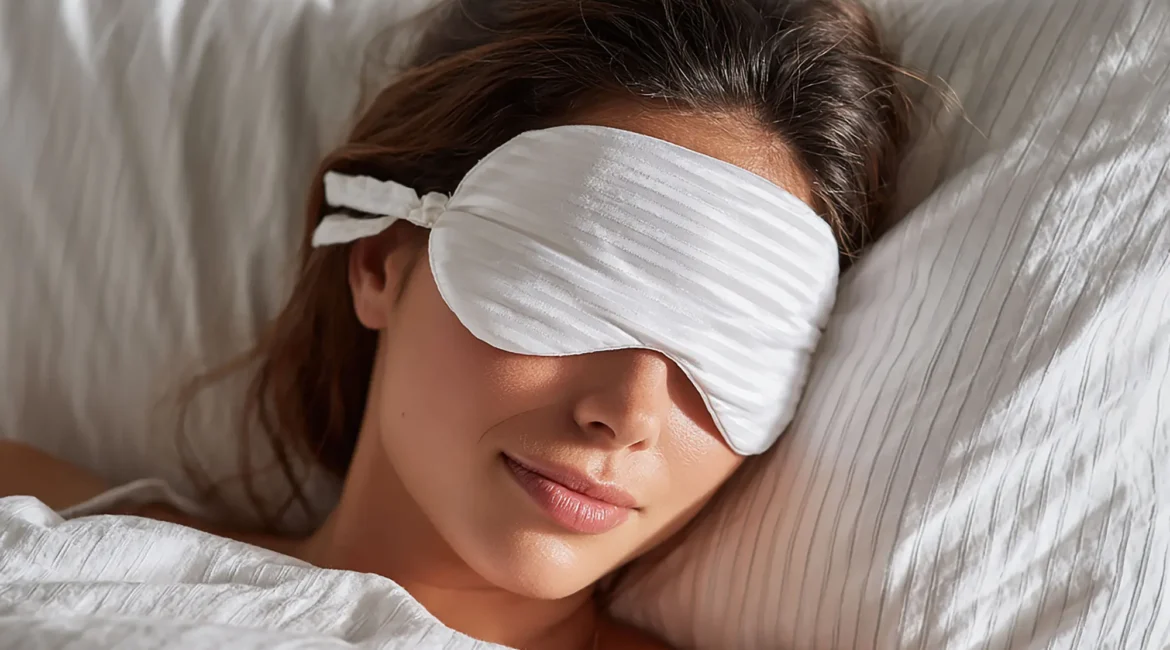
As we age, sleep often changes and not always in ways we expect or want. Many adults find themselves waking up more during the night, feeling less refreshed in the morning, or battling early wakeups. But these changes aren’t just part of “getting older” they’re often the result of shifting rhythms, habits, and lifestyle factors we can influence.
The good news? Better sleep after 60 is absolutely possible and you don’t need medication to get there.
Why sleep changes with age
Sleep architecture evolves over time. As we get older:
- Melatonin production declines, making it harder to fall and stay asleep
- Circadian rhythms shift, often causing earlier bedtimes and earlier wakeups
- Deep sleep (slow-wave sleep) decreases, affecting how refreshed we feel
- Health conditions or medications can further disrupt rest
These shifts are real but they’re not a life sentence for poor sleep. With the right strategies, deeper rest can return.
Natural ways to improve sleep in your 60s and beyond
1. Create a calm wind-down routine
Our brains need clear signals that it’s time to rest. Try:
- Dimming the lights an hour before bed
- Gentle stretching or deep breathing
- Listening to calming music
- Turning off screens 60 minutes before sleep
Even 10 minutes of intentional quiet can shift your nervous system out of “go” mode.
2. Keep a consistent sleep schedule
Going to bed and waking up at the same time every day even on weekends helps reset your internal clock and supports melatonin release.
PrimeSpan coaching tip: Set an alarm not just for waking, but for winding down.
3. Move your body during the day
Daily movement (like walking, stretching, or resistance training) helps reduce stress and regulate sleep hormones. Just avoid intense exercise within 2 hours of bedtime.
4. Limit caffeine and alcohol
Caffeine can linger in your system for up to 8 hours, and alcohol though sedating at first can disrupt your sleep cycle later in the night. Try tapering both and observe the difference.
5. Let light lead your rhythm
Get natural sunlight in the morning and reduce bright light in the evening. This simple habit reinforces your circadian rhythm and makes falling asleep easier.
When to ask for help
If sleep disruption is affecting your mood, memory, or energy even after trying these strategies—it’s worth speaking with your provider or coach. You might be dealing with sleep apnea, restless leg syndrome, or a medication interaction.
At PrimeSpan, our coaches help members build healthy sleep routines based on science and your real life. We’re not here to overwhelm you we’re here to guide you with clarity and support.
Final thoughts
Sleep doesn’t have to decline with age. In fact, it can become more restorative—with the right tools and mindset. Aging well means resting well, too. And you deserve that kind of peace.
Want guidance on building your own sleep plan?
PrimeSpan members get weekly support, coaching, and habit tracking to improve rest, energy, and focus naturally.
