As you reach your 50s, 60s, and 70s, staying active becomes less about pushing your body to its limits and more about finding ways to move that keep you strong, steady, and mobile.
Low-impact exercise is one of the best choices at this stage of life. It is gentle on the joints yet highly effective for building strength, improving balance, and maintaining independence.
The right movements don’t just support physical health. They also bring confidence in daily life whether that’s climbing stairs, enjoying a walk with friends, or simply knowing you can move with ease.
Why low-impact exercise matters after 55
As we age, our joints, muscles, and balance naturally change. Cartilage wears down, bone density decreases, and muscle mass declines. These changes can increase the risk of falls or injuries if you don’t keep your body moving in safe, supportive ways.
Low-impact exercises are designed to reduce strain while still improving strength, flexibility, and stability.
Walking
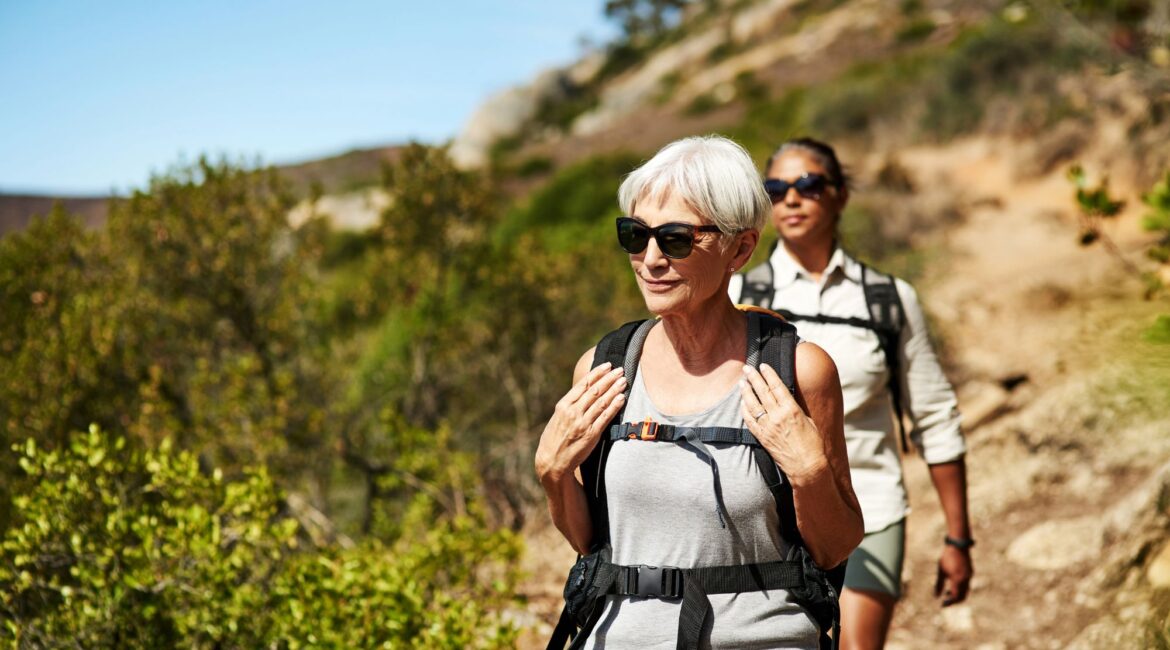
Walking is one of the simplest ways to stay active. It strengthens the legs, improves circulation, and keeps the heart healthy. Regular walking also helps maintain a healthy weight and supports joint flexibility. Just 20 to 30 minutes a day can make everyday tasks like bending, reaching, or carrying groceries feel easier. Fresh air and natural light from walking outdoors add extra benefits for mood and sleep quality.
Swimming or water aerobics
Exercising in water takes pressure off the joints while still giving your muscles a good workout. Swimming and water aerobics help improve muscle tone, flexibility, and cardiovascular fitness without the discomfort that sometimes comes with land-based exercise. For those with arthritis or joint pain, the buoyancy of water makes movement feel easier and safer. Group water classes can also bring a social boost.
Tai chi
Tai chi is often described as “meditation in motion” because of its slow, controlled movements paired with deep breathing. This practice builds leg and core strength, sharpens coordination, and enhances posture. It has been shown to lower the risk of falls in older adults while also calming the mind. Many people find tai chi a relaxing way to combine physical activity with mindfulness.
Chair yoga
Chair yoga adapts traditional yoga poses so they can be done while sitting or using a chair for support. This makes it especially accessible for anyone with limited mobility or balance concerns. It gently increases flexibility, reduces stiffness, and strengthens stabilising muscles. Beyond the physical benefits, chair yoga also encourages relaxation, which can improve mood and support better sleep.
Resistance band training
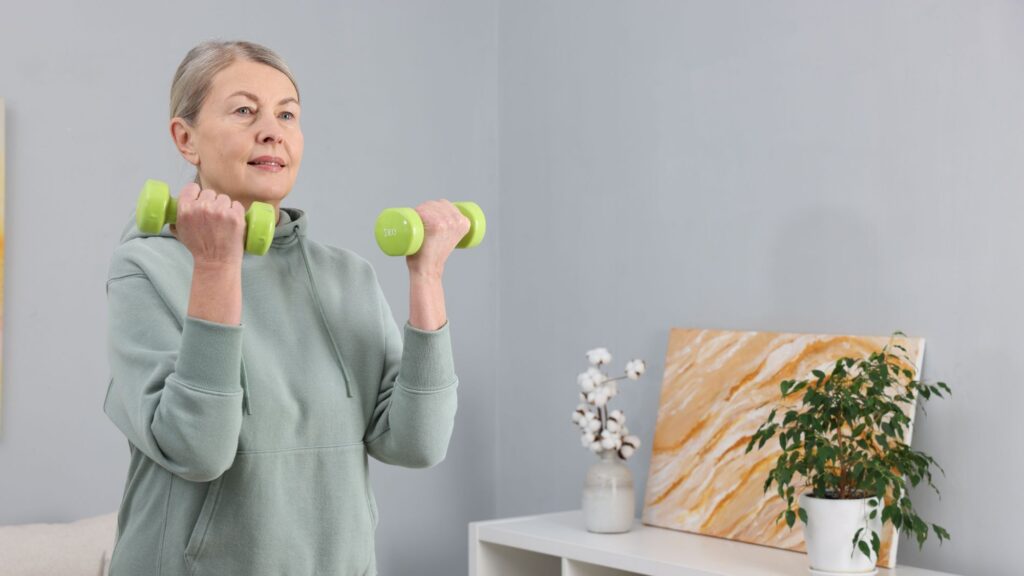
Resistance bands are lightweight, inexpensive, and easy to use at home. They provide steady resistance that helps build and maintain muscle strength in the arms, legs, and core. Keeping muscles strong is vital for balance, stability, and everyday independence. Resistance training also supports bone health and makes daily tasks like lifting, standing, and climbing stairs feel more manageable.
Cycling (stationary or outdoor)
Cycling is a great way to strengthen the legs and improve cardiovascular health without stressing the joints. Stationary bikes are especially safe for those who prefer stability while still getting a good workout. Regular cycling helps build endurance and stamina, making it easier to stay active throughout the day. Outdoor cycling on safe, flat routes can also be a refreshing way to enjoy movement.
Heel-to-toe walk
This simple balance drill is done by walking in a straight line, placing one foot directly in front of the other so the heel touches the toe with each step. Although basic, it is a powerful way to train coordination and confidence in walking. Practising regularly strengthens the muscles that help you stay steady, reducing the risk of falls and improving everyday mobility.
Bringing it all together
The most effective exercise in your 50s through 70s is the one you enjoy and can do consistently. Low-impact activities such as walking, swimming, tai chi, and resistance band training all work together to protect your joints, build strength, and enhance balance. Even small amounts of movement each day add up to big improvements in health, energy, and independence.
At PrimeSpan, we encourage routines that are practical, enjoyable, and sustainable. Staying active is about living fully, not just adding years to life but adding life to those years.
With the right habits, you can feel confident, strong, and steady well into your 70s and beyond.
